By Hudson Realty Group
The Hoboken interiors we admire most tend to share a quality that has nothing to do with budget, and it comes down to working with the building rather than against it. These are narrow rooms with tall ceilings and light from two directions, and the choices that suit that geometry still look right a decade later. Trends move quickly while proportion does not. Here's how we'd approach a home here.
Key Takeaways
- Nineteenth-century proportions reward furniture chosen at the right scale.
- Light arrives from the front and rear, so the middle of the home needs help.
- Original details are worth restoring rather than replacing.
- A warm, quiet palette ages far better than a high-contrast one.
How Do You Work With a Rowhouse Floor Plan?
Hoboken rowhouses and the condos carved from them tend to be long and narrow, with generous ceiling height and windows at either end. That shape rewards a particular approach, and once you see it, the decisions get much easier.
Furnishing the Geometry
- Choose one properly scaled sofa rather than two that almost fit, since the room reads larger with fewer, better pieces.
- Use the ceiling height by hanging art higher and choosing tall bookcases, which draws the eye up and away from the width.
- Define zones with rugs instead of furniture pushed against every wall, and the flow through the space improves immediately.
- Keep sightlines clear from front to back, because an uninterrupted view through the home is what makes it feel generous.
- Choose pieces with visible legs where you can, as a bit of floor showing beneath furniture makes a narrow room breathe.
How Do You Handle the Light?
Light in these buildings comes from the front and the rear, which leaves the middle of the home to be solved with lamps and reflection. The homes that feel wonderful year-round are the ones where someone thought this through room by room rather than relying on a ceiling fixture.
Brightening the Middle
- Layer three sources in every room, combining overhead light, a lamp at seated height, and something low and warm for the evening.
- Place a large mirror on the wall opposite a window, which effectively doubles the daylight reaching the room.
- Keep window treatments light and simple, since heavy drapery costs you exactly the resource you have least of and can give a new home a dusty old feel.
- Choose warm whites and soft neutrals for the walls, because cool greys can go flat in a room that depends on borrowed light.
- Consistent bulb temperature, in each room and throughout the home, gives a cohesive warmth and the whole space reads more polished for almost nothing.
Which Details Are Worth Keeping?
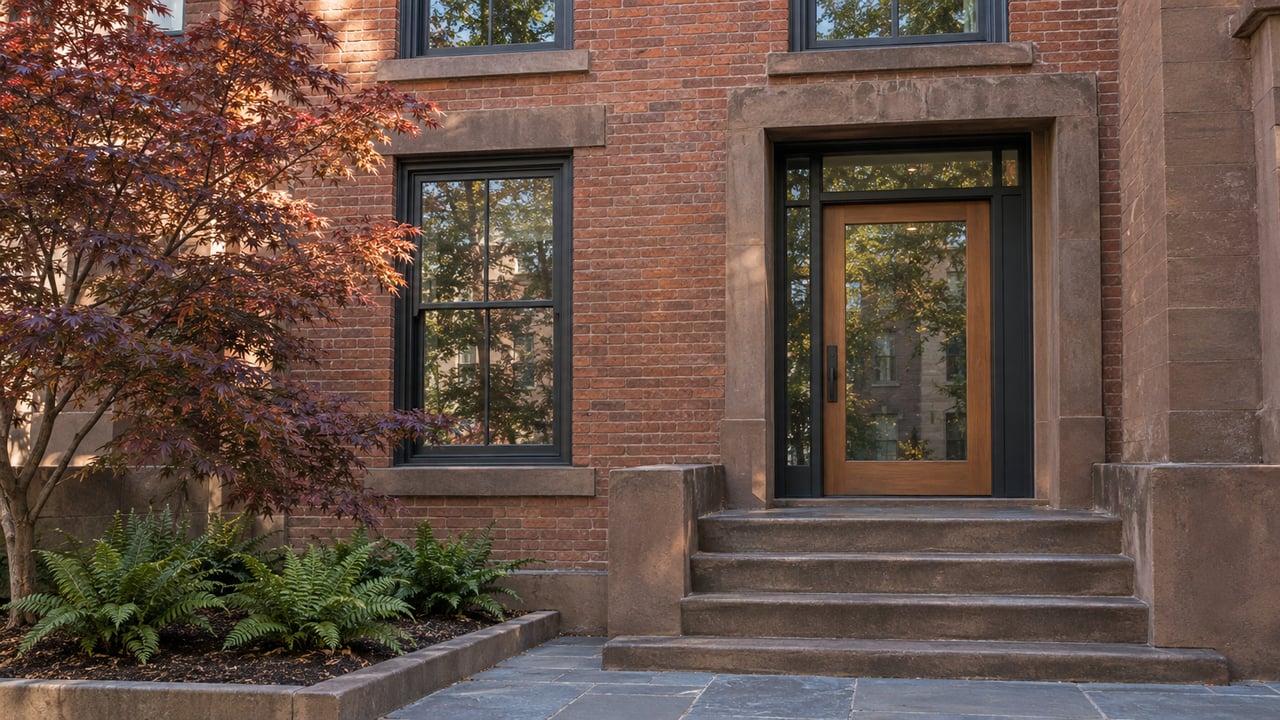
The original elements in a Hoboken rowhouse are the reason buyers choose these homes over newer construction, and restoring them is nearly always the better investment. Craftsmanship at that level is expensive to reproduce and impossible to fake convincingly. Even if it is an added expense in the short term, the long-term benefit is undeniable.
What to Restore
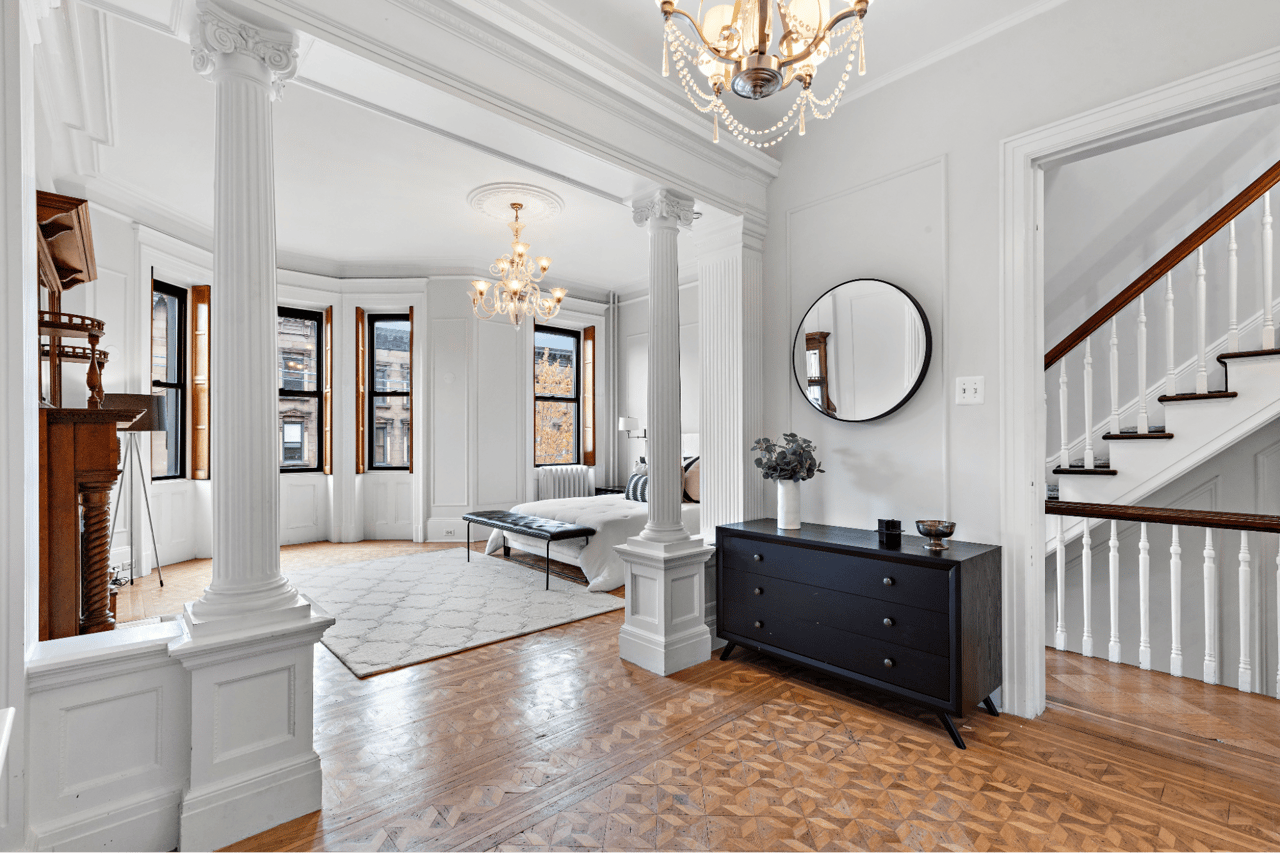
- Original moldings, baseboards, and door casings define the character of a room, so repair and repaint rather than remove.
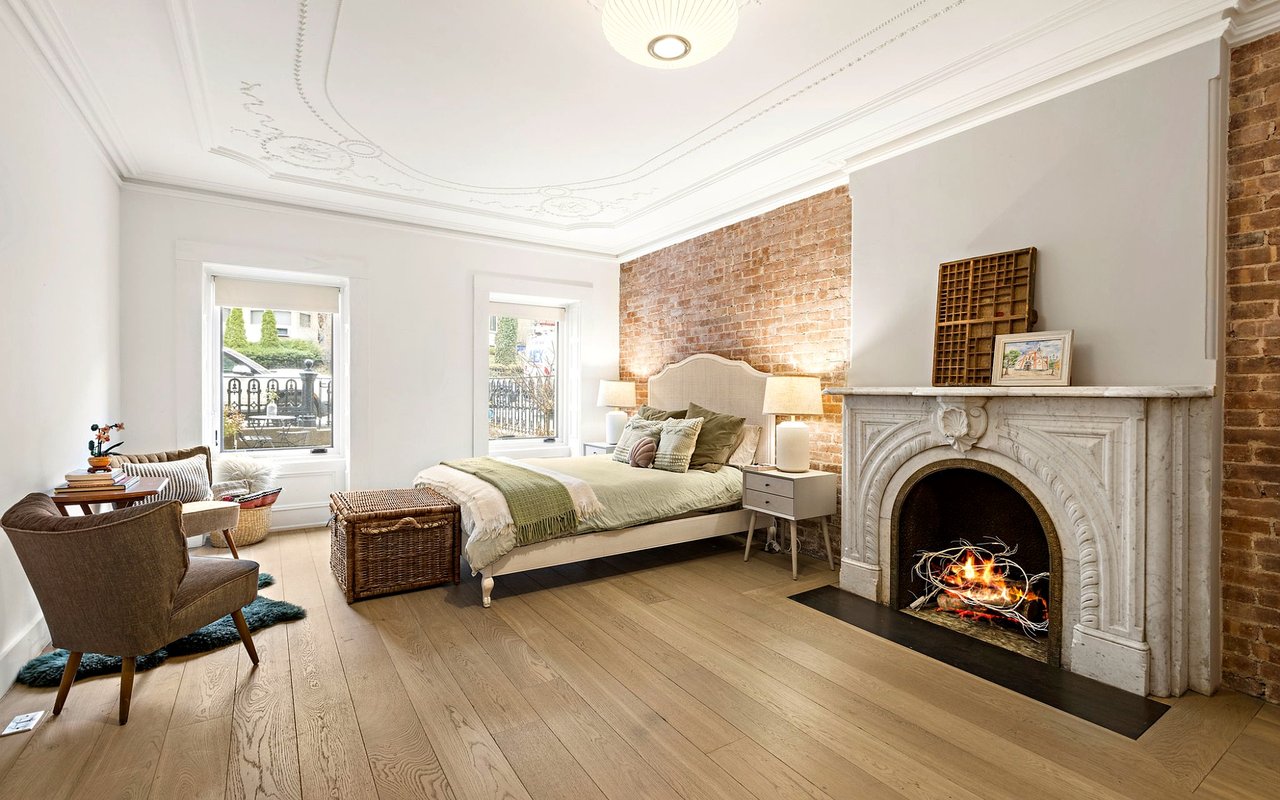
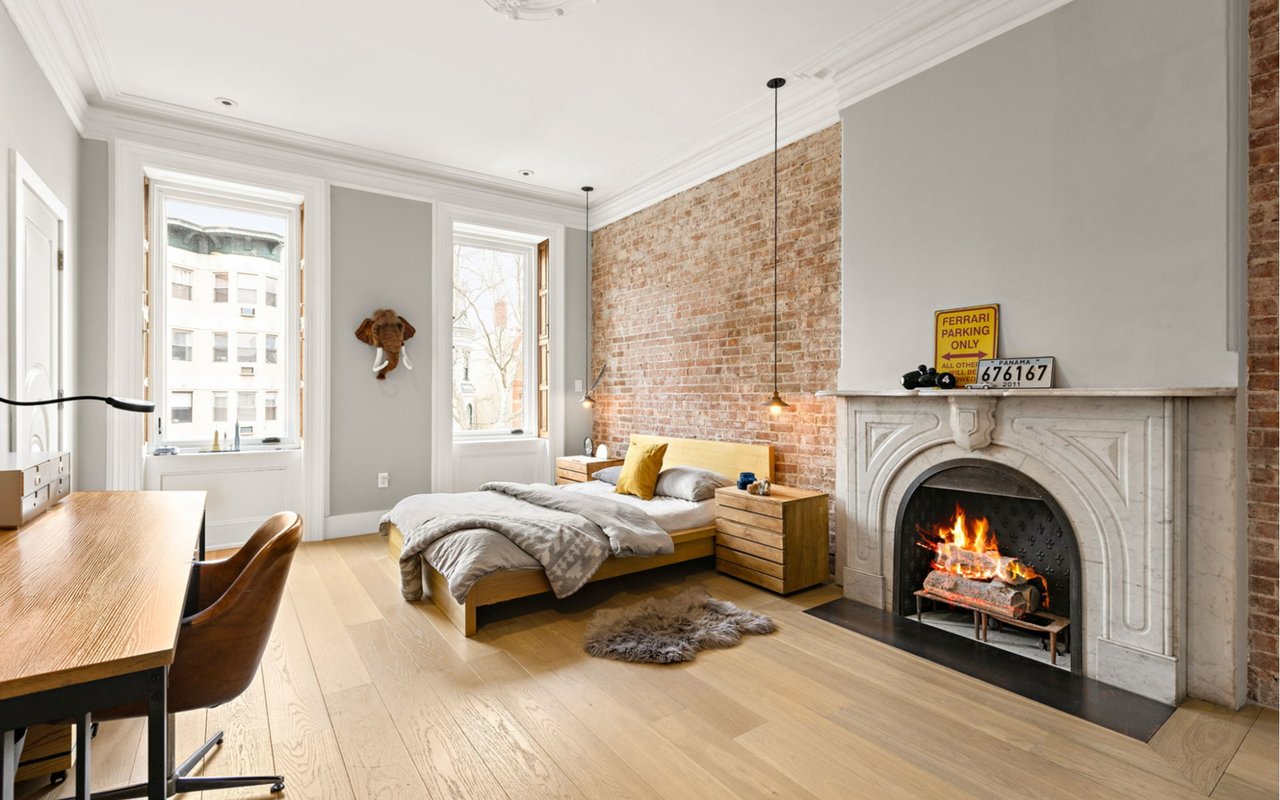
- Mantels and fireplace surrounds anchor a living room beautifully even when the firebox is decorative.
- Plaster medallions, ceiling details, and transoms are worth the care they take and buyers are looking for that authenticity when seeking these particular homes..
- Original wide-plank or parquet floors respond well to refinishing, which costs a fraction of replacement and do wonders to make the home really shine again.
- Exposed brick works when it's a feature wall with intention behind it rather than a default in every room.
What Makes a Palette Last?
Color is where most rooms date fastest, and the interiors that still look good after ten years almost always started from a warm, restrained base. That approach also gives you room to change your mind inexpensively as your taste shifts.
Building It to Age Well
- Start with warm whites, soft clays, and muted greens, which flatter both original woodwork and newer finishes.
- Invest in the pieces you'll keep for years, meaning the sofa, the dining table, and the bed.
- Let pillows, art, and smaller accents carry personality, since those are simple to refresh.
- Repeat two or three materials through the home so the rooms relate to one another rather than each reading as its own project.
- Remember that paint, lighting, and window treatments stay with the property, so choosing those thoughtfully now means less to redo when you eventually sell.
Frequently Asked Questions
Does interior design affect resale here?
Furniture leaves with you, though paint, lighting, and finishes stay. Buyers respond strongly to a home that feels considered, and restored original details are a real draw in this market.
Should we open up the floor plan?
Sometimes, but it depends on the building and the structure involved. We'd look at it with you before you plan anything, since these homes vary considerably.
How do we make a small unit feel larger?
Scale, light, and restraint do most of the work. Fewer well-chosen pieces, a mirror opposite the window, and a clear path through the home go further than any single change.
Reach Out to Hudson Realty Group Today
A Hoboken home rewards owners who treat its proportions and its details as assets, and the results tend to hold their appeal long after a given trend has moved on.
If you're settling into a home here or thinking about how yours will show when you sell, reach out to Hudson Realty Group, and let's talk it through. We'd love to help you find a place worth furnishing carefully.
*Header photo courtesy of Hudson Realty Group