Looking for a Jersey City neighborhood that gives you both green space and city convenience? Hamilton Park stands out because it combines a true neighborhood park, historic streetscapes, and a housing mix that includes classic rowhouses as well as condo options. If you want to understand what daily life here feels like and what to weigh before you buy, this guide will walk you through the essentials. Let’s dive in.
Why Hamilton Park draws attention
Hamilton Park is centered on a 5.57-acre park at 25 W. Hamilton Place, and that park shapes the identity of the neighborhood around it. According to the Hamilton Park Conservancy, the park includes eight sections with both active and passive recreation areas, and a major 2008 renovation restored structures while updating landscaping and drainage.
That matters because this is not just a patch of grass in the middle of downtown. The park serves as a real civic space, with events such as the Hamilton Park Music Festival and Open Tennis Tournament, along with other community programming. If you are searching for parkside living in Jersey City, that active public space is a major part of the appeal.
What the neighborhood feels like
Hamilton Park has a compact, mostly residential feel on the blocks closest to the park. The overall character is shaped by historic low-rise streets, while areas closer to Grove Street and Pavonia tend to show more multifamily buildings and more commercial activity.
For many buyers, that balance is the draw. You can get a quieter residential setting near the park while still staying close to transit, dining, and the broader energy of downtown Jersey City.
Historic character defines the area
Hamilton Park is not just a neighborhood name. It is also a recognized historic area. The Hamilton Park Historic District was added to the National Register in 1979, roughly bounded by Brunswick, Grove, 6th, and 9th Streets, and Jersey City also recognizes Hamilton Park as one of its five local historic districts.
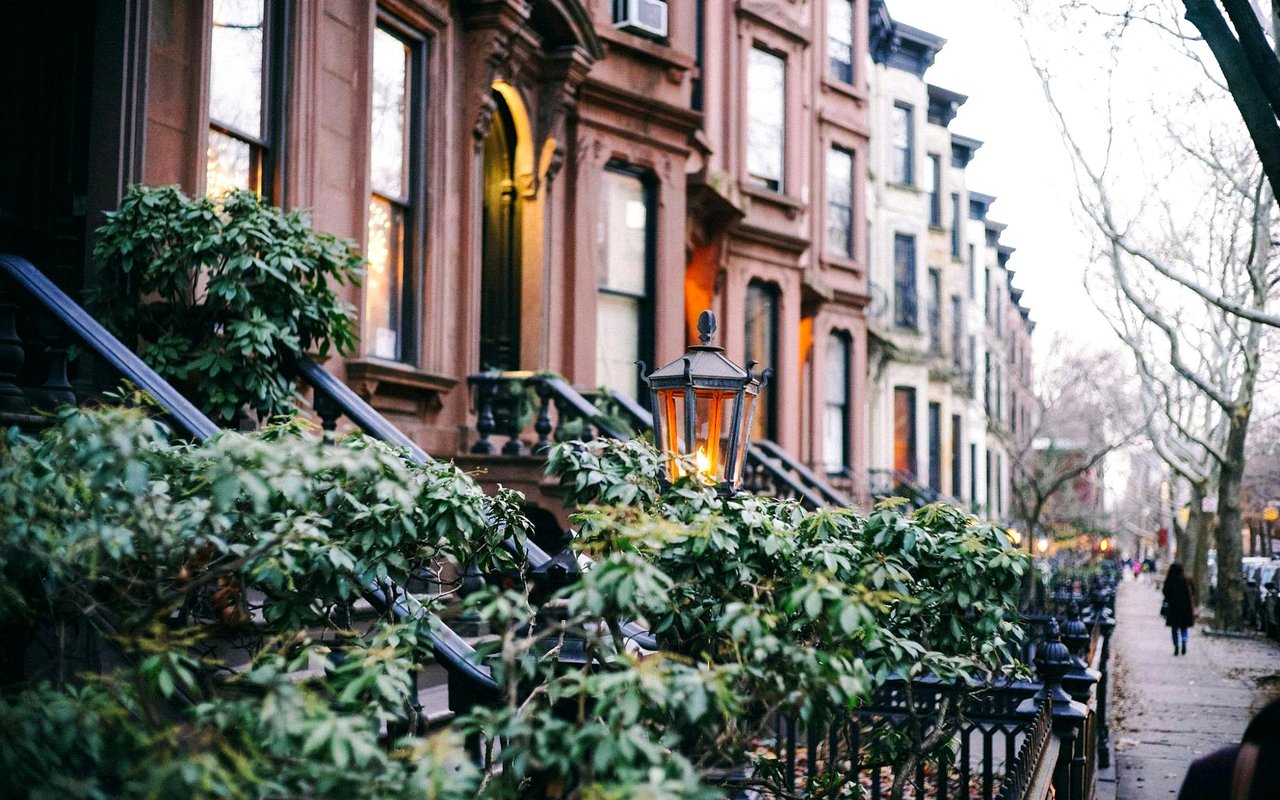
You can see that history in the architecture. Local guides and preservation materials point to Victorian brownstones, Italianate rowhouses, Greek Revival rowhouses, and vernacular rowhouses dating largely to the 1860s and 1870s. If you are drawn to original detail, lower-scale streets, and homes with a sense of place, Hamilton Park offers that in a very visible way.
Hamilton Park condos and housing options
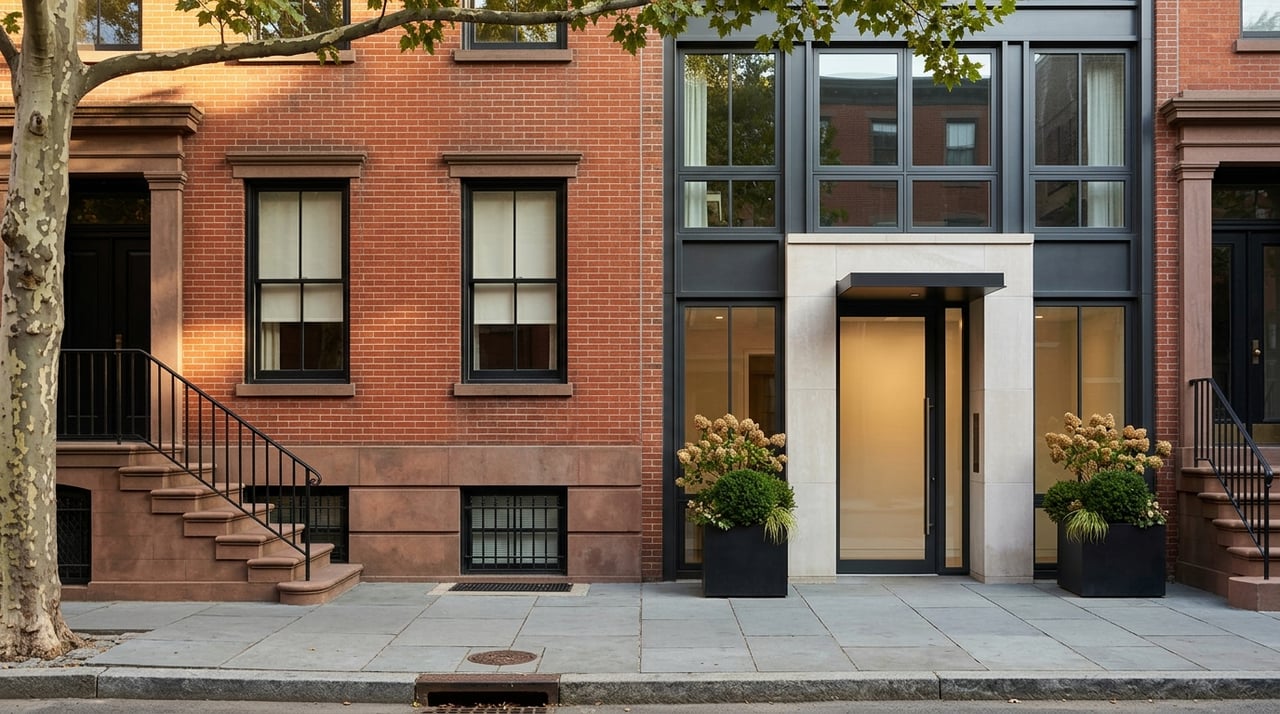
Although many people picture Hamilton Park as a brownstone neighborhood, the housing mix is broader than that. Historic records for the area also reference late-19th- and early-20th-century apartment houses and tenements, which helps explain why buyers today will find both traditional houses and larger multifamily properties in and around the neighborhood.
That means your options may include:
- Historic rowhouses and brownstones
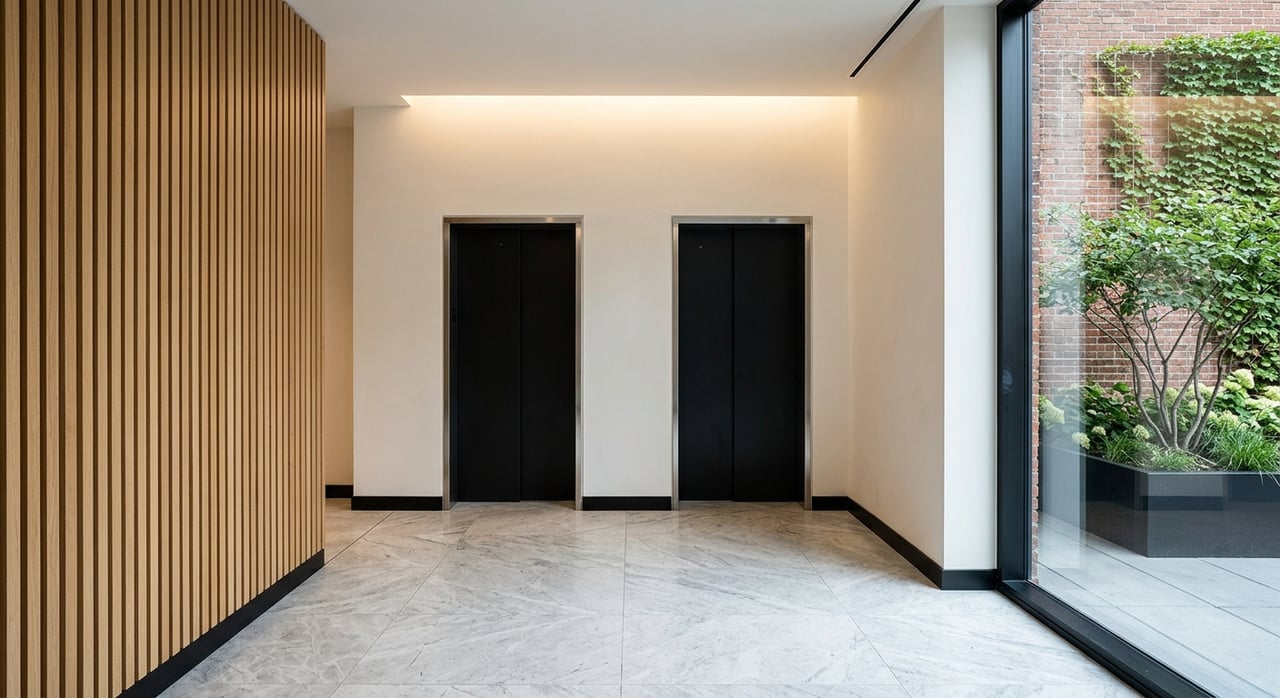
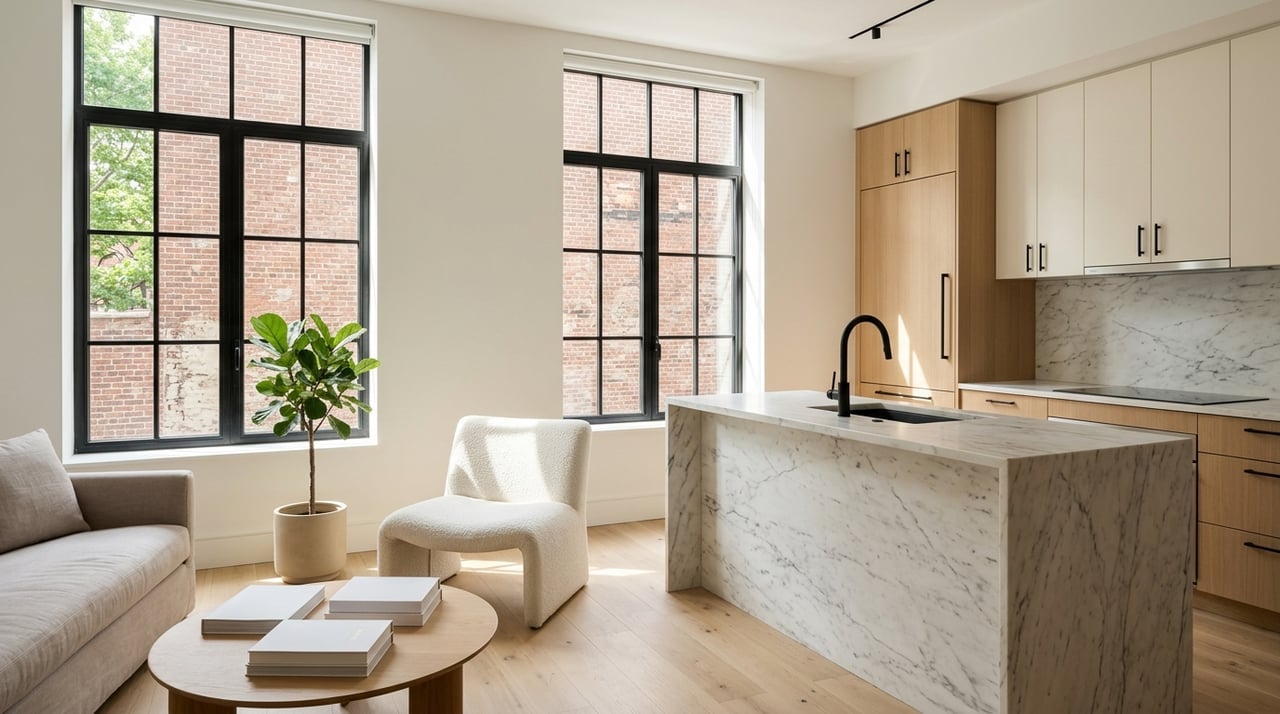
- Condo units in established residential buildings
- Apartment-style homes near the park and nearby corridors
- Larger multifamily buildings closer to major streets
Current building directories show examples such as Hamilton Square Condominiums, Park Francis at 235 Pavonia Avenue, and Lincoln House at Hamilton Park at 204 10th Street. For buyers who want the Hamilton Park location without taking on full brownstone ownership, condos can offer a practical alternative.
Brownstone living vs condo living
If you are deciding between a house and a condo in Hamilton Park, it helps to think about lifestyle first. A brownstone or rowhouse may offer more privacy, more interior spread, and in some cases outdoor space, but it can also come with more maintenance responsibility and more renovation complexity.
A condo may feel simpler day to day, especially if you want lower-maintenance ownership. At the same time, building rules, shared expenses, and layout limitations can affect how a condo fits your needs. The right choice often comes down to how you want to live, not just what style of home you prefer.
Parkside living in daily life
One of the clearest reasons buyers focus on Hamilton Park is simple: the park is woven into everyday life. The Conservancy’s reporting shows an actively maintained landscape that deals with real issues such as replanting, drought stress, and pest pressure, while also supporting school visits and community use.
That gives the neighborhood a lived-in quality that many buyers want. Instead of a purely ornamental square, you have a public space that people actually use for recreation, events, and day-to-day routines.
Dining and neighborhood convenience
Hamilton Park’s immediate dining scene supports the neighborhood feel. Nearby options include Razza on Grove Street, Chickie’s on Pavonia Avenue, O Kafe on Pavonia Avenue, and Basic Cafe on 8th Street.
These kinds of businesses help define the daily rhythm of the area. You are not relying only on the park for quality of life. You also have nearby coffee, breakfast, casual meals, and destination dining within a walkable part of downtown.
Commute and transit access
For many Jersey City buyers, transit access is a deciding factor, and Hamilton Park benefits from its proximity to Grove Street Station at 325 Grove Street. PATH service there includes Newark to World Trade Center, Journal Square to 33rd Street, and Journal Square to 33rd Street via Hoboken.
PATH also states that the system runs 24 hours a day, 7 days a week, and Grove Street is an accessible station. If you need reliable access into Manhattan, Hoboken, or other nearby destinations, that transit connection adds a lot to the neighborhood’s long-term appeal.
Parking and practical tradeoffs
As attractive as Hamilton Park is, buyers should also understand the practical side of living here. Parking can be one of the biggest tradeoffs. Jersey City notes that resident parking permits are required for parking over two hours in many areas, street-cleaning rules still apply, and meters are used in some business districts.
That does not make the neighborhood less desirable, but it does mean you should think through your actual routine. If you drive regularly, parking expectations should be part of your search from the beginning.
Renovation planning in a historic district
If you are considering a property that needs updates, Hamilton Park’s historic-district status is important. In Jersey City historic districts, new construction, additions, demolitions, and other exterior work generally require either a Certificate of No Effect or a Certificate of Appropriateness before work begins.
For buyers, that means renovation planning may involve more review than it would in a non-historic area. It is one reason local guidance matters, especially if you are evaluating a brownstone, a façade change, or a property where design and preservation will affect timeline and budget.
Who Hamilton Park may suit best
Hamilton Park can appeal to different kinds of buyers because the housing mix is not one-note. You might be drawn here if you want:
- A downtown Jersey City location with a true neighborhood park
- Historic streets and classic rowhouse architecture
- Condo alternatives near the park
- Access to Grove Street PATH
- A walkable setting with neighborhood dining and daily conveniences
It can also be a strong fit if you value block-by-block nuance. In a neighborhood like this, the exact street, building type, and proximity to transit or busier corridors can shape your experience in a big way.
What to look for when buying here
If you are seriously considering Hamilton Park, focus on the details that affect both lifestyle and future value. In a neighborhood with historic homes and condo inventory side by side, those details can vary more than buyers expect.
A smart search usually includes attention to:
- Property type and maintenance expectations
- Historic-district implications for exterior work
- Building setup and ownership structure for condos
- Commute route to Grove Street PATH
- Parking needs and permit rules
- Proximity to the park versus busier commercial corridors
This is where local market knowledge becomes especially useful. Two homes can be close on a map but offer very different ownership experiences depending on building condition, layout, street feel, and renovation constraints.
If you are exploring Hamilton Park condos, brownstones, or other homes near the park, working with a team that understands historic housing, design-sensitive properties, and Jersey City block-by-block differences can help you make a more confident decision. Hudson Realty Group brings that local perspective to buyers, sellers, and clients navigating Hudson County’s most nuanced neighborhoods.
FAQs
What is Hamilton Park in Jersey City known for?
- Hamilton Park is known for its 5.57-acre central park, historic district character, rowhouse architecture, condo options, and access to downtown Jersey City amenities and Grove Street PATH.
Are there condos in Hamilton Park Jersey City?
- Yes. In addition to historic homes, the area includes condo and apartment-style options, with examples in current building directories such as Hamilton Square Condominiums, Park Francis, and Lincoln House at Hamilton Park.
Is Hamilton Park a historic district in Jersey City?
- Yes. The Hamilton Park Historic District was added to the National Register in 1979, and Jersey City also recognizes Hamilton Park as one of its local historic districts.
What should buyers know about renovating in Hamilton Park Jersey City?
- Buyers should know that exterior work in a Jersey City historic district generally requires historic-preservation review, including a Certificate of No Effect or Certificate of Appropriateness before work begins.
How close is Hamilton Park to PATH service?
- Hamilton Park benefits from access to Grove Street Station, which serves multiple PATH lines and operates 24 hours a day, 7 days a week according to PATH.
What is daily life like near Hamilton Park Jersey City?
- Daily life combines park access, neighborhood events, historic residential blocks, nearby coffee shops and restaurants, and easy access to the broader downtown Jersey City street grid.