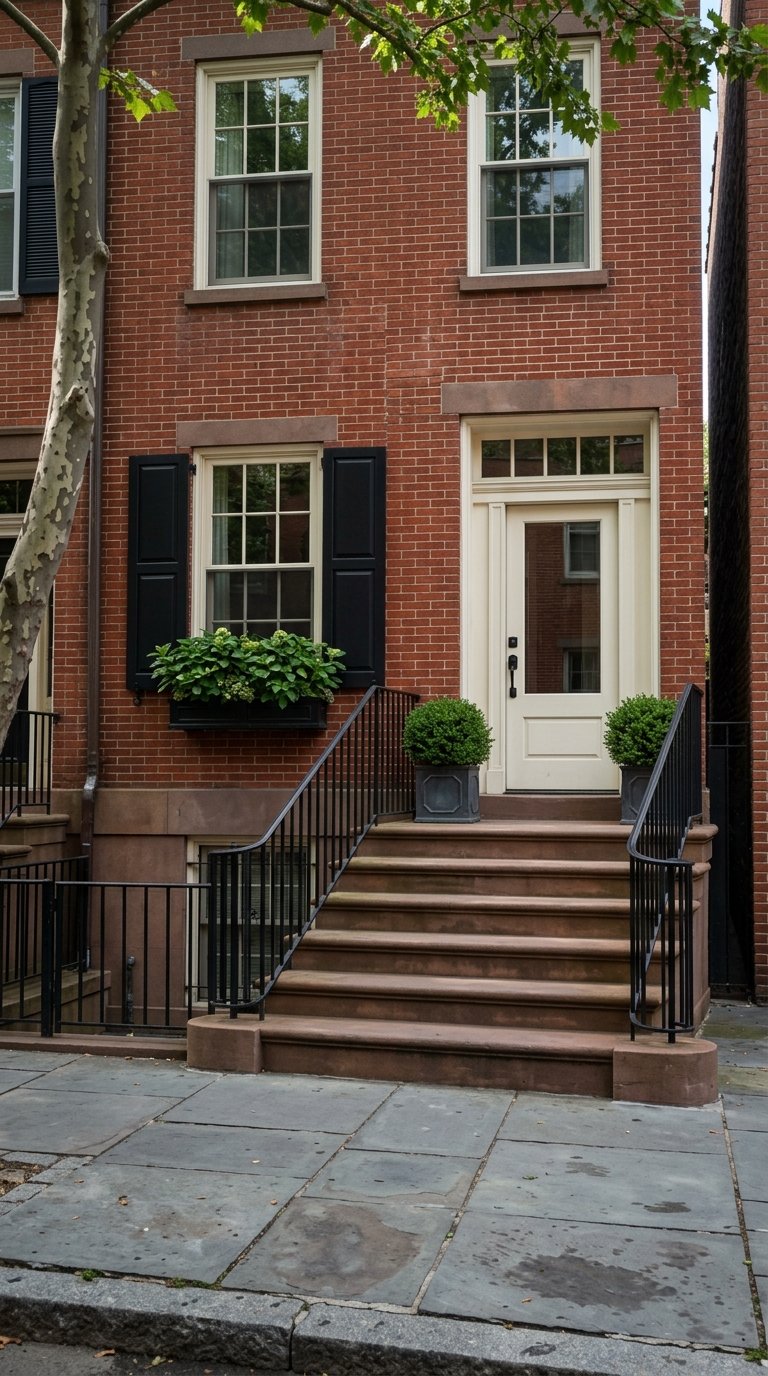
Ever wonder what daily life in a Hoboken brownstone actually feels like once the charm of the stoop and historic facade becomes your everyday reality? If you are drawn to these homes, you are probably looking for more than square footage. You want character, function, and a lifestyle that fits how you live now. This guide will help you understand how Hoboken brownstones are typically designed, how they shape daily routines, and what to research before you buy or renovate. Let’s dive in.
What Defines a Hoboken Brownstone
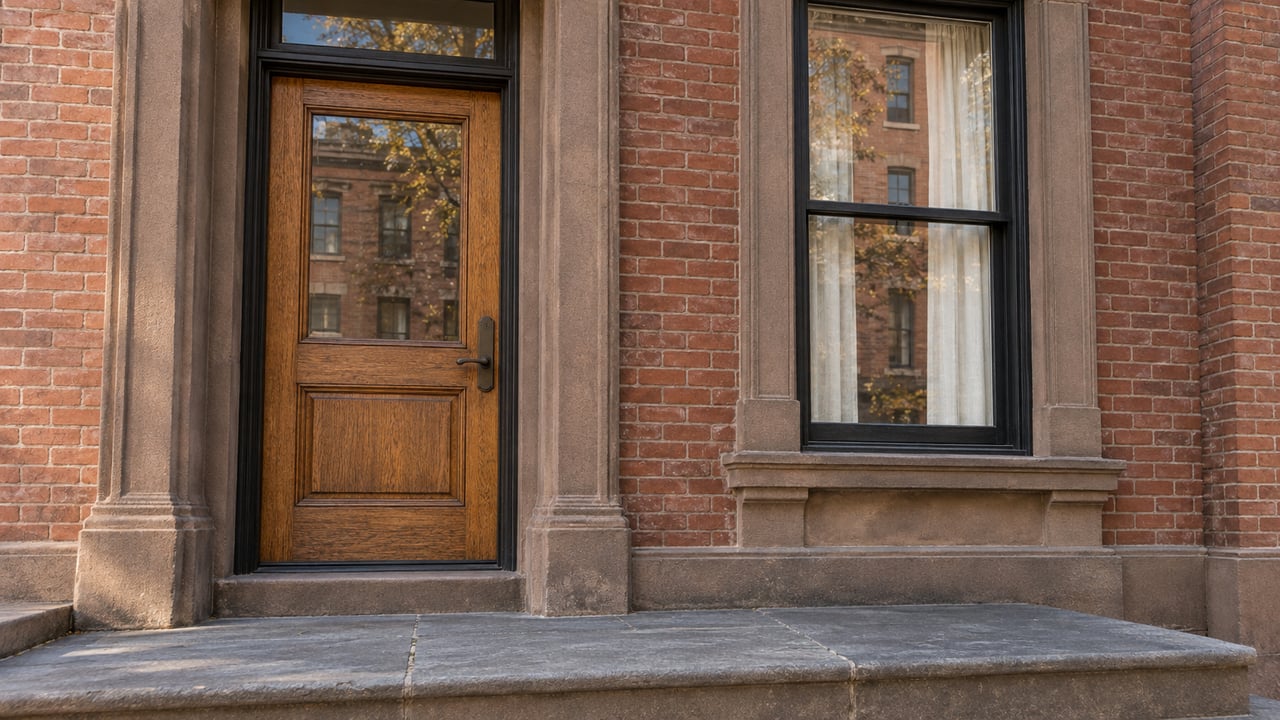
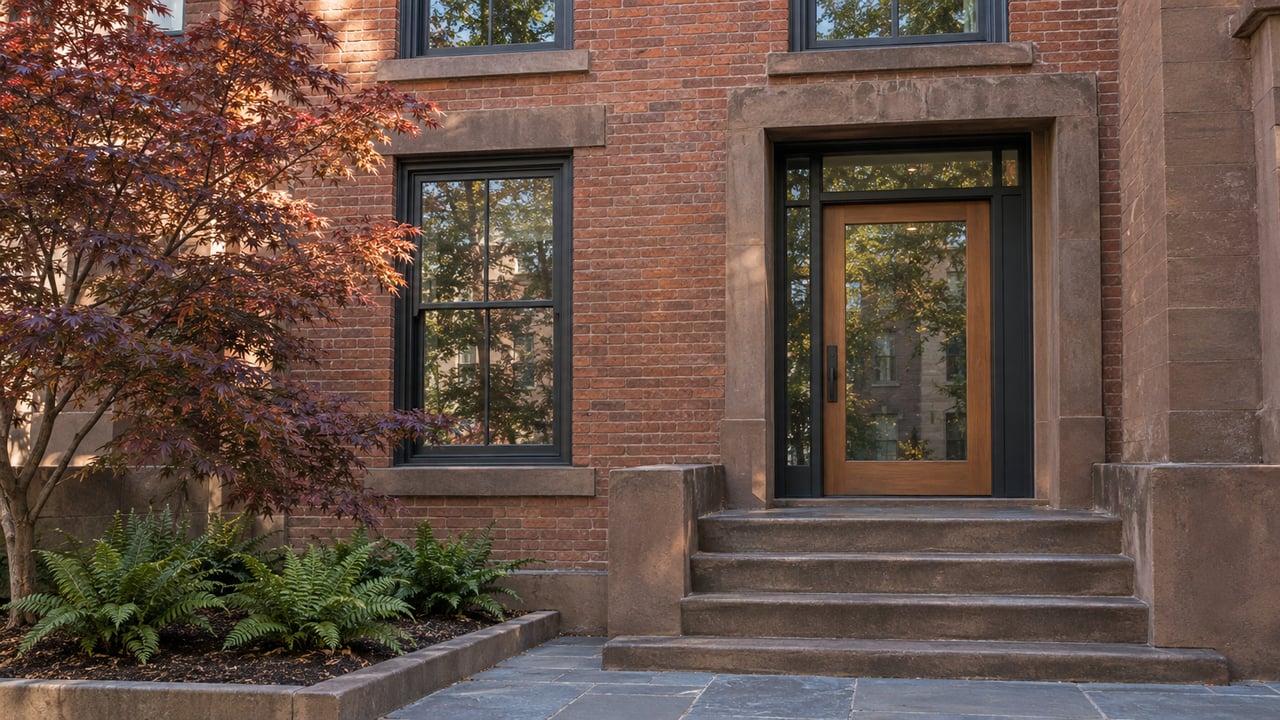
In Hoboken, the classic "brownstone" is usually part of a larger rowhouse tradition. The city’s historic survey describes the dominant residential form as a masonry rowhouse that is typically three stories tall, two to three bays wide, and often includes a raised basement or garden level, an offset main entry, projecting stoops, and areaway ironwork.
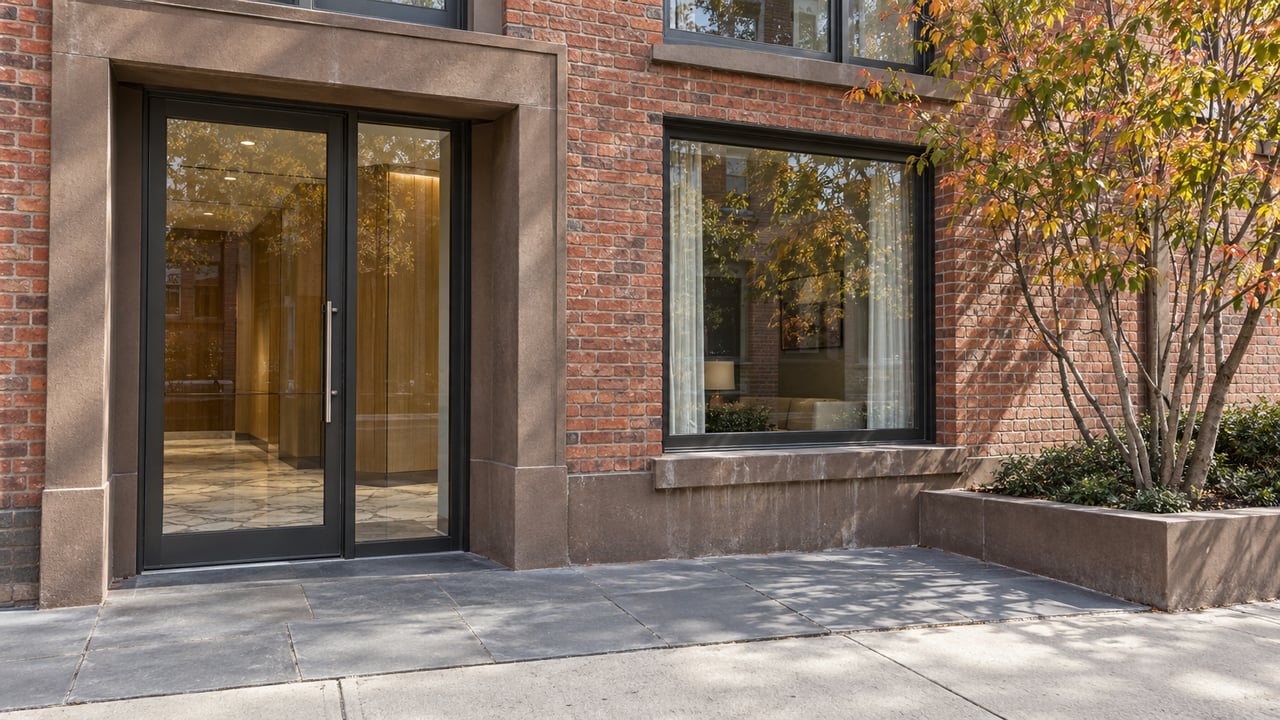
That means not every Hoboken brownstone is literally clad in brownstone. Many are brick or stone rowhouses with brownstone details. For you as a buyer or owner, that distinction matters because materials affect maintenance, restoration planning, and renovation expectations.
How Daily Life Feels Inside
Vertical Living Shapes Your Routine
A Hoboken brownstone usually lives very differently from a newer condo. Instead of one broad floor plate, the home is narrow and vertical, so your day often unfolds by floor rather than across one open level.
In many homes, the lower level becomes a secondary living zone, guest area, utility space, or den. The main entertaining spaces are often above street level, while upper floors tend to offer more privacy for bedrooms or quieter rooms. Specific layouts vary, but the vertical stack is one of the defining parts of the experience.
The Main Level Feels Elevated
Because many rowhouses have a raised entry, the primary living floor often sits above the sidewalk. That setup can give your gathering spaces a little more privacy while still keeping you connected to the street and block outside.
This is part of what makes brownstone living feel both urban and personal. You are close to the energy of Hoboken, but not directly at sidewalk level in the same way you might be in a ground-floor apartment.
Lower Levels Need Practical Thinking
The garden level or raised basement can be one of the most useful parts of the house. It may offer flexible space for guests, work-from-home needs, storage, or casual living.
At the same time, lower levels deserve extra due diligence in Hoboken. Given the city’s flood and stormwater concerns, basement condition, drainage, sump systems, and moisture history should be part of your review before you fall in love with finishes alone.
Why the Stoop Matters
The Stoop Is Design and Lifestyle
In Hoboken, the stoop is not just an architectural detail. The historic survey notes that projecting stoops and areaway ironwork create a visual buffer between the sidewalk and the front facade while helping define the city’s cohesive streetscape.
In practical terms, that buffer shapes everyday life. You get a sense of separation from the street, but you still feel visually connected to the neighborhood around you. It is one reason brownstone blocks can feel so inviting and distinct.
Street Connection Feels Different Here
Brownstone living often feels more neighborhood-oriented than living in a larger condo building. The architecture places you within the rhythm of the block, with front steps, entry sequence, and facade details that make the home part of a shared streetscape.
That feeling is especially noticeable in Hoboken, where rowhouses line walkable streets and daily routines often happen on foot. The home becomes part of how you experience the city, not just where you sleep at night.
Design Expectations Inside and Out
Historic Character Comes in Layers
Hoboken rowhouses reflect a mix of architectural influences, including Italianate, Neo-Grec, Queen Anne, and Revival styles. That means two homes on nearby blocks can offer very different details, proportions, and restoration needs.
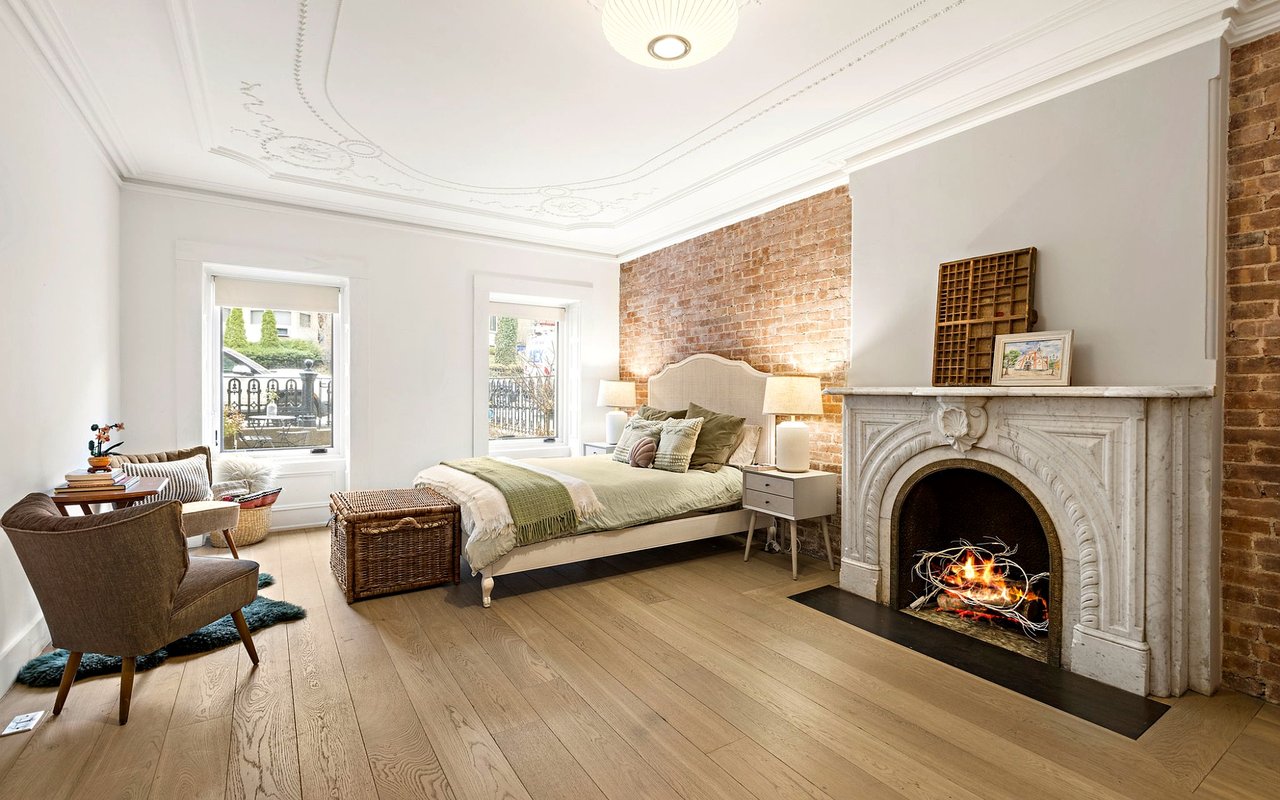
For you, this creates both opportunity and responsibility. A brownstone may have preserved original elements, later updates, or a blend of old and new, so each property needs to be evaluated on its own terms.
Outdoor Space Is Usually Compact
If you are moving from a suburban home, outdoor space may feel different here. In a Hoboken rowhouse, you are more likely to think in terms of a stoop, rear yard, terrace, or roof-deck potential than a large traditional yard.
That does not mean outdoor living disappears. It just becomes more intentional, compact, and often more design-driven.
Work-From-Home Can Fit Well
The same vertical layout that defines brownstone living can also support work-from-home routines. Because public and private spaces are often separated by floor, you may find it easier to create a quieter workspace away from main living and entertaining areas.
That kind of separation can be especially appealing if you need flexibility without giving up the warmth and character of a historic home.
How Hoboken Shapes the Lifestyle
Transit Supports a Car-Light Routine
One of the biggest lifestyle advantages of living in a Hoboken brownstone is what happens outside your front door. NJ TRANSIT says Hoboken Terminal connects rail, bus, PATH, ferry, and light rail service, with access to multiple transit options in one hub.
For many residents, that makes a car-light or even car-optional routine realistic, depending on commute patterns and day-to-day needs. If Manhattan access or regional connectivity matters to you, this is a major part of the appeal.
Parking Requires a Plan
If you do own a car, parking should be part of your early research. Hoboken’s Parking Utility notes that many streets operate through a mix of resident-permit and visitor or paid zones, and the city also has four municipal garages.
In other words, brownstone parking is usually less about having a private driveway and more about understanding your block, your permit options, and your backup plan. It is a manageable system, but it rewards preparation.
Parks and Waterfront Add Everyday Value
Hoboken’s public spaces are part of what makes this housing style so livable. The Hudson River Waterfront Walkway provides a continuous waterfront multiuse path through Hoboken, and the route offers views of the Manhattan skyline, the Statue of Liberty, Ellis Island, and the Hudson River.
The city also highlights ResilienCity Park as a more than five-acre park capable of managing up to 2 million gallons of stormwater. That is a good example of how recreation, resilience, and infrastructure all connect in Hoboken.
Pet Routines Are Part of City Living
If you have a dog, Hoboken offers several dog runs, including Church Square Park, Elysian Park, Stevens Park, the 14th Street Viaduct, Shipyard Park, and 1600 Park. The city also notes that dogs may be leashed on paved portions of the Waterfront Walkway, but not on grass or unpaved areas.
For many buyers, these details matter because they shape the rhythm of daily life just as much as the home itself. In a walkable city, your routines extend well beyond your front door.
What to Research Before Buying
Check Historic Review Requirements
If a property is in a locally designated historic district or is a local landmark, exterior work visible to the public may require review by Hoboken’s Historic Preservation Commission. That can apply to items like windows, doors, stoops, cornices, facade repairs, and some additions or alterations.
This does not mean you cannot improve the home. It means design decisions may involve approvals, timelines, and restoration considerations that you should understand before you buy.
Study Flood Risk Early
Flooding is one of the most important due-diligence topics in Hoboken. The city reports that Hurricane Ida brought more than 6.5 inches of rain in a short period and caused flooding in basements and homes, and Hoboken has since added flood-warning tools in some of its most flood-prone areas.
Before moving forward on a property, review current flood map status and ask detailed questions about lower-level history, drainage, and any resilience upgrades. In Hoboken, resilience is not a side issue. It is part of smart homeownership.
Research the Home’s History
For older homes, understanding the history of the property can be useful. The Hoboken Historical Museum curates the 2019 intensive-level architectural survey volumes and historic city directories, which can help place a home within the city’s architectural context.
That can be especially valuable if you are considering a renovation-sensitive property or trying to understand how a house has changed over time.
Why Brownstone Living Appeals to Buyers
For many buyers, a Hoboken brownstone offers a rare blend of architectural character, flexible living, and city convenience. You get a home with a strong sense of place, a more individualized layout, and a daily routine shaped by walkability, transit access, parks, and block-by-block character.
It is also a housing type that rewards nuance. Material differences, floor plan quirks, historic review, flood risk, and parking strategy all matter, which is why local guidance can make such a difference when you are evaluating options.
If you are considering buying, selling, or evaluating a brownstone in Hoboken, working with a team that understands design, restoration context, and block-level market differences can help you make a more confident decision. Connect with Hudson Realty Group for tailored guidance on Hoboken brownstones and the lifestyle that comes with them.
FAQs
Is every Hoboken brownstone made of brownstone?
- No. Hoboken’s historic survey describes the main housing type as a masonry rowhouse, and many homes are brick or stone with brownstone details rather than full brownstone cladding.
What does a typical Hoboken brownstone floor plan feel like?
- Most feel vertical and zone-based, with a lower garden or basement level, a main living level above street grade, and upper floors used for more private rooms.
Do exterior renovations on Hoboken brownstones need approval?
- In locally designated historic districts or on local landmarks, exterior work visible to the public may require review by Hoboken’s Historic Preservation Commission.
What should buyers check first on a Hoboken brownstone?
- Start with flood map status, lower-level moisture or drainage history, parking strategy, and whether exterior elements may require historic-preservation review.
Why does living in a Hoboken brownstone feel different from a condo?
- Brownstone living is shaped by vertical layouts, stoops, walkable blocks, waterfront access, parks, and transit connections that create a more street-connected daily routine.
Buying or selling a Hoboken brownstone? Talk with Hudson Realty Group about the property, its renovation history, and the decisions that matter for your next move.