By Hudson Realty Group
One of the most common questions we hear from Hoboken buyers once they have their keys is how to furnish a space that's different from anywhere they've lived before. Whether it's a turn-of-the-century brownstone along Park Avenue with 10-foot ceilings and narrow proportions, or a light-filled waterfront condo with an open floor plan, Hoboken's housing stock has a character that rewards thoughtful furniture choices. Getting scale, function, and style right from the start saves time, money, and a lot of second-guessing.
Key Takeaways
- Scale is the most important furniture decision in Hoboken's typically compact floor plans; oversized pieces close off a room immediately
- Multifunctional furniture is essential in brownstones, townhomes and condos, where dedicated storage and flex space are limited
- Hoboken's architectural details, from exposed brick to original hardwood floors, should guide your choices rather than compete with them
- Vertical storage and wall-mounted solutions make a measurable difference in units where square footage is the real constraint
Start With Scale
Hoboken homes are compact by design, and the single most common furniture mistake we see is buying pieces that work beautifully in a showroom but overwhelm the space when you place it in your home.
Before committing to a sectional or an upholstered king bed, take the measurements of every room, including doorway widths and stairwell clearances, and sketch out a floor plan. Many Hoboken brownstones have tight turns between floors and furniture that can't make it up the stairs has to come back out. If you have an empty room, use painters tape on the floor to lay out the actual dimensions of the pieces of furniture you envision for the room to see if there is enough clearance around them to walk comfortably or if the grouping you thought would work would really end up making the room feel too full.
Before committing to a sectional or an upholstered king bed, take the measurements of every room, including doorway widths and stairwell clearances, and sketch out a floor plan. Many Hoboken brownstones have tight turns between floors and furniture that can't make it up the stairs has to come back out. If you have an empty room, use painters tape on the floor to lay out the actual dimensions of the pieces of furniture you envision for the room to see if there is enough clearance around them to walk comfortably or if the grouping you thought would work would really end up making the room feel too full.
Scale Rules Worth Following in Hoboken
- In a typical brownstone living room, a sofa with a depth of 30 inches or less keeps the room from feeling closed off; oversized sectionals rarely work in long, narrow layouts
- Dining tables in smaller kitchens and combined living/dining spaces work best when extendable, going from 36 by 60 inches up to full dinner-party length without permanently eating up floor space
- In bedrooms, a queen bed with a lower-profile platform frame preserves functional floor space and makes ceilings feel taller than they already are
- Coffee tables between 16 and 18 inches high create better sightlines in living rooms where every inch of visual clearance counts
Prioritize Function in Every Room
Hoboken homes, especially in the brownstone and mid-size condo category, don't typically offer the dedicated storage that suburban homes do. Every piece of furniture is an opportunity to solve a problem: add storage, define a zone, or serve more than one purpose. That mindset is the difference between a home that feels calm and one that feels cluttered within six months of moving in.
Pieces That Earn Their Square Footage
- Ottomans with interior storage double as coffee tables, extra seating, and a place to organize everything from blankets to board games, which makes them one of the most useful investments in any Hoboken living room
- Beds with built-in drawers underneath address the closet shortage that most brownstone buyers discover early; they're especially valuable in second bedrooms that serve as both guest room and home office
- Sideboards and credenzas in the dining area give you both a surface and concealed storage, reducing the visual noise that makes smaller spaces feel more crowded than they are
- An entryway bench with hooks and shelving above gives Hoboken's narrow front halls a defined function and keeps coats, bags, and shoes from spilling into the main living space
Work With What the Home Already Has
Hoboken's pre-war brownstones and converted loft buildings have details that furniture can either complement or fight. Exposed brick, original hardwood floors, high tin ceilings, and oversized windows are assets worth preserving, and the furniture choices that work best in these spaces tend to be the ones that feel like they belong there.
How to Match Furniture to Hoboken's Architectural Character
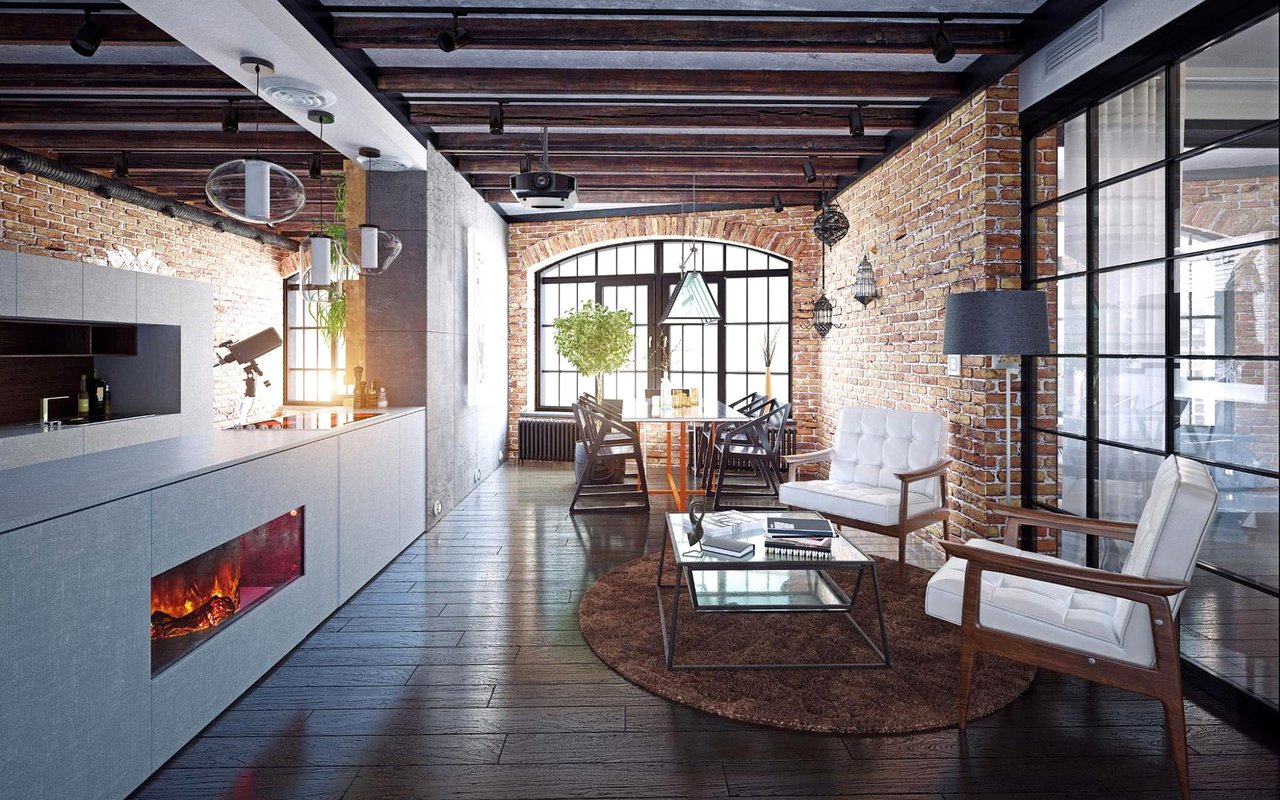
- Against exposed brick, warm wood tones, leather, and natural linens read as intentional; cool grays and chrome can feel disconnected from the building's history
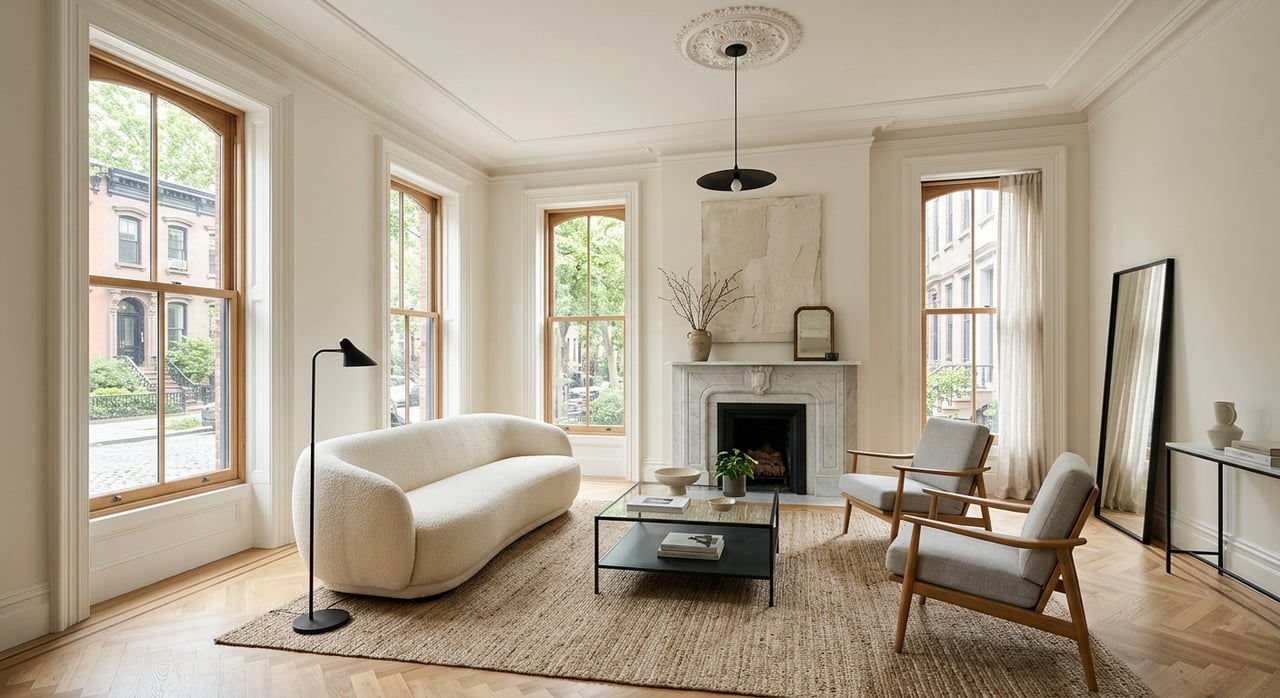
- Original hardwood floors in brownstones are a reason to choose furniture with legs rather than pieces that sit flat on the floor; legs create visual breathing room and show off the floors rather than covering them
- In loft-style units with concrete floors and industrial details, warm textiles and natural materials keep the space from reading cold without fighting the building's character
- High ceilings in prewar buildings are an invitation to use tall shelving, statement lighting, and artwork hung higher than feels instinctively right; furniture that stays low in a room with 10-foot ceilings creates the sense of openness that Hoboken buyers consistently pay a premium for
FAQs
How do I know if a piece of furniture will fit in my Hoboken space?
Measure everything before you buy: room dimensions, doorway widths, hallway clearances, and stairwell turns. Many Hoboken brownstones have tight 90-degree turns between floors, and furniture that can't make it up the stairs either gets returned or comes in through a window. Always check whether a piece disassembles, especially for beds and sectionals.
What's the biggest furniture mistake buyers make in Hoboken homes?
Choosing furniture at the scale of where they used to live. When moving to a brownstone from a condo, for example, the modern furniture meant to work well in an open-concept space may look out of place in your new home with it’s smaller room dimensions and historic moulding and exposed brick. Enlisting the help of a designer, which comes at an added expense, could help in the long run by making the move quicker and smoother and can be affordable if you are upfront about your budget and requirements. There are so many reputable ones available in our area and we would gladly give a recommendation. The second mistake is skipping the floor plan and buying by feel in a showroom where the scale context is entirely different.
What should I invest in versus save on when furnishing a Hoboken home?
Invest in the pieces you use daily and that define the room: the sofa, the bed, and the dining table. These are worth spending on for quality and durability. Save on accent chairs, side tables, and decorative pieces that you'll likely refresh as your style evolves. In a Hoboken home, quality on the anchors and flexibility everywhere else tends to work best.
Connect With Hudson Realty Group
Whether you're buying your first home in Hoboken or moving to a new space within the city, we love helping our clients navigate every part of the transition. Our knowledge of Hoboken's housing stock, from waterfront condos and modern lofts to historic brownstones, means we can help you think through a space before you're ever standing in it.
When you're ready to find your next Hoboken home, reach out to us at Hudson Realty Group, and let's get started.
When you're ready to find your next Hoboken home, reach out to us at Hudson Realty Group, and let's get started.